









Recent maternity investigations have once again highlighted the devastating consequences when women’s voices are ignored. Christian midwife Michelle Tant asks what maternity services – and the Church – can learn from the God who sees and listens to women.
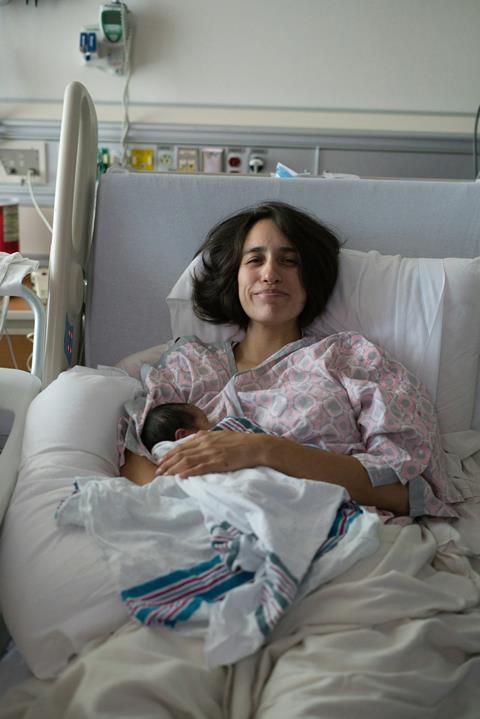
In June 2026, Baroness Amos’s long-awaited maternity report was published. The Independent National Maternity and Neonatal Investigation concluded that women and families are consistently not being listened to when accessing maternity services and this puts the lives of women and babies at risk. Being turned away while in labour or having their concerns dismissed were real-life and common instances of failures in care.
The tragedy, of course, being that these findings mirror those of previous maternity reports. In 2015, the Morecambe Bay Investigation report found that a lethal mix of institutional cover-up, substandard care and poor communication led to devastating outcomes. In 2022, the investigation into East Kent Hospitals found that failures in teamworking, professionalism and compassion directly led to significant harm of women and babies.
READ MORE: God’s heart for grieving mothers this Christmas in the light of the NHS maternity care report
To not be heard and to be dismissed has historically been the female experience
One of the reasons I think these reports speak to us so strongly is that they expose an issue which so many women have struggled with over their lifetimes. To not be heard and to be dismissed has historically been the female experience, so to experience it in the maternity space, which by nature should centre the needs of women, is a painful betrayal.
One of the reasons I went into midwifery was the profound sense of calling I felt by God to be part of redeeming this dismissal of women. To a large extent, my clinical experience allowed me to do that, and I found so much joy in caring for women, listening well and being part of a profession I believed so deeply was doing God’s work. But over time I also started to see the cracks in the walls.
Understaffing and under-resourcing were a daily issue which inevitably impacted care, but on a macro level I began to realise that the issue was much broader. It related to what I saw was the systemic lack of value placed on women and additionally on those professionals devoted to women’s health.
If the needs of women and babies were truly valued, then the services would be well resourced, midwives well supported, and there would have been no need of any reports.
READ MORE: A woman returning pregnant from maternity leave is not a case for dismissal - and there are biblical grounds for offering grace in these situations
As a Christian midwife, I’m drawn to parallels between the women of today and the women in the Bible who felt unheard.
As a Christian midwife, I’m drawn to parallels between the women of today and the women in the Bible who felt unheard. Hannah had her grief dismissed as being ‘drunk’ in 1 Samuel 1:13 and Hagar, a marginalised woman who should have been protected, but instead was harshly treated and forced to leave (Genesis 16).
In recognising these women, the Bible identifies something which is not new to our times, that institutions can be deaf to the voices of women. It is a parallel which reminds us that there is a theological demand on all those who are in positions to hear and to act, particularly when those voices are traditionally unheard. When Hagar named God ‘El Roi’, the God who sees, she wasn’t just pointing to her physical situation. She felt seen on a level which accounted for her embodied experience as a woman, as a marginalised woman and a woman who experienced disappointment and hurt at the hands of those commissioned to care for her. Maternity services have that same responsibility and so does the Church.
READ MORE: From doctor’s appointments to maternity pay, these are your legal rights as a pregnant employee
In turning to the responsibility of church communities, it is wise, in the face of these systemic failings in maternity, to pause and reflect on ways in which women’s voices and pain are dismissed within our spaces. When women report painful experiences, domestic abuse, or disappointment, what response do they receive? Do they get ‘El Roi’ or do they get an earthly institutional response which diminishes their status as a beloved image-bearer?
The necessary work of robust policies as well as a culture of listening and believing which permeates the pulpit and the congregation are all key to embodying the God who ‘sees’, to all women in church. This might involve asking and responding to hard questions about the experience of women in our churches. In the same way that a robust governmental response and investment is required to make maternity safe for all women, so is an intentional response required from the Church.
























No comments yet