


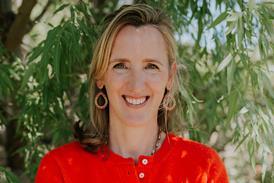






As World Breastfeeding Week shines a spotlight on the importance of supporting mothers around the globe, midwife Michelle Tant explores what Scripture can teach us about breastfeeding and God’s nurturing heart. Drawing on both her professional experience and biblical reflection, she reveals why the Church has a vital role to play in helping mothers flourish, whatever their feeding journey.

World Breastfeeding Week (WBW) has been celebrated annually in August since its launch in 1992. It is endorsed by the World Health Assembly and is a joint endeavour of the World Health Organization and UNICEF. The protection of breastfeeding is a global health strategy because it reduces both poverty and health inequalities. The campaign, which has a key theme of sustainability, is an inspiring example of global collaboration aimed at improving the health of women and babies.
The benefits of breastfeeding are extensive, from reducing the risk of breast and ovarian cancer and heart disease in women to fewer infections, allergies and hospital admissions for babies. Yet the emotional landscape surrounding the topic can be complex and, for some, deeply wounding. Women can read about the benefits of breastfeeding and experience grief because of the difficulties they have faced in their own journeys. Sadly, without the right support and information, relatively few women achieve their breastfeeding goals, and rates of exclusive breastfeeding in the UK remain persistently low.
READ MORE: We should celebrate the athlete who fought for breastfeeding mothers at the Olympics
In a world where something like breastfeeding, which seems as though it should be so simple, has become so fraught with confusion and pain, I’m moved to turn to the Bible.
In a world where something like breastfeeding, which seems as though it should be so simple, has become so fraught with confusion and pain, I’m moved to turn to the Bible. God is concerned with restoration, and I believe that, in this respect, beauty can be restored from ashes. Instead of pain, the topic of breastfeeding can become a source of joy through the way it expresses God’s nature to us all.
Biblical writers are generous with their metaphors about the mothering nature of God. Isaiah 49:15 and 66:11–13 are clear examples of this, giving us vivid images of God tenderly mothering us through faithfulness, comfort and even “knee-bouncing”. Breastfeeding is a specific metaphor for his nurture and affectionate care for his children. A direct link is made between nursing at the breast and the satisfaction, consolation and peace experienced by the child. The breast milk itself is perfectly tailored nutrition, activating the digestive system to help the baby get the most from its environment. This tells us something about the way God knows exactly what we need, providing us with the tools to grow and develop.
READ MORE: Womenswear designer Karen Millen has shamed mothers who breastfeed beyond six months
However, just because breastfeeding is framed as such a powerful metaphor, it is not presented as a moral requirement for the expression of a mother’s love.
However, just because breastfeeding is framed as such a powerful metaphor, it is not presented as a moral requirement for the expression of a mother’s love. When God’s mothering characteristics are described, they are fundamentally relational. It is about the unbreakable bond that should exist between a mother and her child. These characteristics are also seen in the stories of women who step into the gap for others and support them. Deborah, Rebekah’s nurse (Genesis 35:8), was buried with honour, and the site was named Allon Bacuth, meaning “Oak of Weeping”, so great was the grief over the loss of the woman who had supported Rebekah in her mothering journey.
There are two lessons to be gleaned from this reflection on WBW. First, when we think about breastfeeding as a spiritual metaphor, it is as much about the nature of the act as it is about the milk itself. Secondly, it tells us something about the honour attributed to those who support mothers in their journey and the importance of support systems that are intentional and compassionate. God’s mothering love is nurturing, life-giving and sacrificial, and those mothering characteristics are not the sole preserve of those who breastfeed.
READ MORE: From listening to my body to remembering to cover up afterwards: five things I’ve learned the hard way about breastfeeding
WBW 2026 is about sustainability, and this goes hand in hand with support. Breastfeeding really is incredible, but it also offers us profound lessons about the nature of God and how he feels about mothers more generally. God built sustainability into the mothering journey through his vision of community and family, providing us with an eternal perspective on supporting our sisters in Christ. Therefore, the Church should be leading the way in creating environments where mothers can thrive.
This might look like running Mums and Tots groups, which are so valuable in supporting maternal mental health, and having clear policies that protect breastfeeding mothers and vulnerable families. Providing comfortable, inclusive spaces for families, along with hygienic facilities where bottle-feeding parents can prepare feeds, helps parents to feel seen and welcomed. Meal rotas for new families are another practical way of lightening the load. This World Breastfeeding Week, let’s make it unthinkable that any new mother in our churches should feel unsupported in her mothering journey.























No comments yet