- Hot topics
- Join Now!


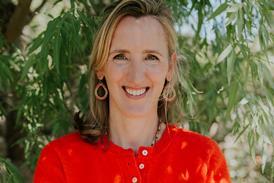







How understanding attachment theory helped me to ‘love my neighbour’
By  Katie Gauden2026-03-04T05:05:00

Writer Katie Gauden reflects on how our attachment patterns shape the way we see ourselves and others. She explores how growing in security can help us live out Jesus’ call to love more fully.
Experts suggest that around 40% of people have an insecure attachment style, which means a significant number of us carry negative core wounds, thought patterns and coping behaviours that impact how we feel about ourselves and others.
As a life coach with training in Integrated Attachment Theory, I’ve learnt tools for helping people understand their attachment style and grow more secure. As a Christian with lived experience of this process, I can see how becoming secure helps us better “love our neighbours as ourselves”.
To continue reading, register today for more access!
If you are a member or a registered user, or if you already have a login for another Premier website SIGN IN HERE

Sign up for your free account now!
Registering is quick and easy and gives you immediate access to read more articles, plus:
- You’ll receive a weekly newsletter every Saturday with the top stories of the week
- You can save articles to read later
- You can share your comments and thoughts on the stories
Or become a member today for unlimited access! Special offers are available!
If you already have an account with a Premier website SIGN IN HERE
Related articles
-
 Opinion
Think you’re an introvert? Kate Orson says you may want to think again
Are you really an introvert or an extrovert, or have those labels become more limiting than helpful? Kate Orson explores the surprising origins of these popular personality types, why she believes Christians should approach them with caution, and how Scripture offers a more freeing way to understand ourselves.
-
 Opinion
I tried to disprove Jesus, instead, the evidence changed my life forever
Writer Stephanie Rousselle shares the remarkable story of how a determined teenage atheist set out to debunk Christianity, only to find herself captivated by the truth of the resurrection. She reveals why delighting in God, not simply believing in Him, is the secret to a joyful, enduring and fruit-bearing faith.
-
 Opinion
The wellness trend Christians should think twice about: why I’m glad I never ate my placenta
Writer Kate Orson reflects on why a wellness trend she once seriously considered now leaves her profoundly grateful she never followed through. Looking back through the lens of her Christian faith, she explores what placenta consumption reveals about modern wellness culture, spiritual discernment and the need to distinguish truth from deception.
More from Opinion
-
 Opinion
Britain has a new Prime Minister: who is Andy Burnham – and how can Christians pray for him?
Jemimah Wright explores the background, beliefs and family life of Britain’s new Prime Minister, Andy Burnham, she says the Bible gives a surprisingly simple response to a change in government: pray.
-
 Opinion
When doctors told me pregnancy could kill me, I thought I’d never be a mum – then God wrote a different story
At 17, doctors warned that pregnancy could cost Nekeisha Camille her life. Years later, against all expectations, she is cradling her fifth daughter and reflecting on the God who had the final word.
-
 Opinion
The dating trend everyone says is romantic - why it could leave you heartbroken
Sophie Sanders unpacks the viral “wildflowering” dating trend and explains why what looks like a beautiful new approach to love may actually be setting a generation up for confusion, disappointment and heartbreak.
- Issues
- Topics A-Z
- Writers A-Z
- © 2026 Woman Alive














Site powered by Webvision Cloud