









Hannah Wickens explores the viral reaction to a bride who ditched tradition for comfort, sparking debate about what really matters on a wedding day. Looking beyond the headlines, she reflects on how weddings, clothing, and even cultural expectations point us back to the deeper question of love, priorities, and perspective.
When an invitation to a party arrives, one of my first thoughts is always, “What am I going to wear?” Often, a note about suggested attire is included, ballgowns, black tie, or glitzy, and even wedding invitations can carry guidance such as “Hats & Tails encouraged.” The host sets the tone and the rules in line with their vision for the event. It would be unheard of for a guest to send a memo reminding the host to dress up. Certainly, for a wedding, the dress is an integral part of the occasion and has historically been considered a defining feature of the day, with many brides scouring endless shops for the perfect gown to capture their dream celebration.
READ MORE: ‘In the run up to our wedding, we were in a holy war’
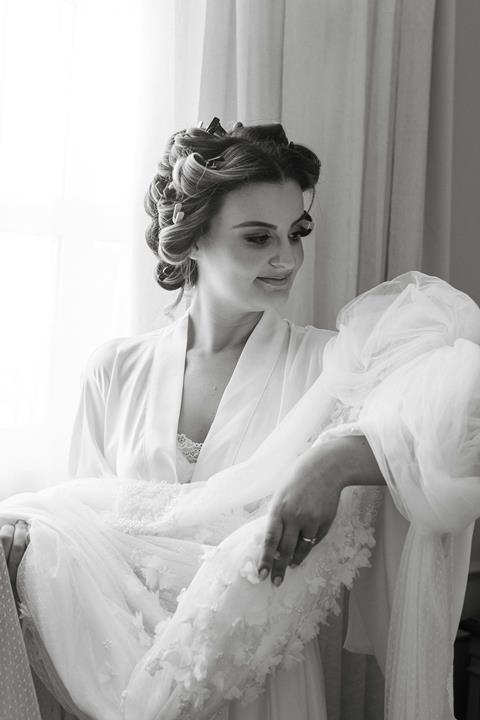
Therefore, the BBC headline of bride, Ashleigh Stanley wearing a dressing gown to her own wedding in the Vale of Glamorgan has been met with incredulity. How could a bride wear something usually reserved for home only to such a life-changing event? On further investigation, it transpired that a simple white robe and hair curlers were worn for the civil ceremony only, with a more conventional wedding gown donned for the guest reception later that day.
Ashleigh defended her rather casual choice of wardrobe by claiming that her betrothed would be seeing her in that outfit more than any other in the years to come, so it was a prelude to what lay ahead. And though a valid reason, it may not resonate with those who have devoured princess stories for years, forming romantic fairytales in their minds of cascading dresses swept into a prince’s arms.
Over the past decade or so, there’s been a surge of thrift-conscious weddings
Over the past decade or so, there’s been a surge of thrift-conscious weddings, with couples tired of waiting for fuller bank accounts to tie the knot. Bridal influencers have actively championed weddings shaped by strict budgets, with a popular suggestion being the purchase of a dress from a charity shop. For any bride-to-be reading this, it is worth setting aside bias to consider the idea, especially as the dress is usually worn only once and doesn’t need to break the bank.
READ MORE: Testimonies: No rain on my wedding day…
However, it is unlikely that a line of dressing-gown bridal wear will debut in a Vera Wang collection anytime soon, even though Coco Chanel designed beach pyjamas in the 1920s, which later became a trend among celebrities. It feels like a bouquet-throw too far to imagine brides merrily draped in dressing gowns on their big day. And yet Ashleigh has perhaps offered a different perspective, one that prioritises comfort and commitment over convention.
Jesus himself spoke of not being anxious about what we wear
Jesus himself spoke of not being anxious about what we wear: “Why do you worry about clothes? See how the flowers of the field grow. They do not labour or spin.” (Matthew 6:28). This teaching focuses on the command not to worry, and Jesus uses the familiar concern about clothing to illustrate His point. It is a gentle reminder not to be overly troubled by peripheral matters, but instead to focus on what lies at the heart: love.
READ MORE: I was in Israel attending a wedding when the fighting started, this is what God showed me
Weddings are a glorious celebration of a covenant before God between two people becoming one, and beside that, clothes carry far less weight. Scarlett, in Four Weddings and a Funeral, draws laughter when she zips up her bridesmaid’s dress in a hurry, the bow falling off as she runs to the ceremony, leaving her knickers briefly on display. The scene is both humorous and revealing, gently poking fun at how wedding moments can feel oddly fragile against the deeper joy of marital union.
When we lose sight of our loving Creator who holds marriage at the centre, the sacredness of the union can be diminished, and irreverence can arise from that omission alone rather than from a wardrobe mishap or dressing-gown bridal moment. The truth is that the heart must be guarded above all else, beyond concerns of appearance or adornment. So well done, Ashleigh, for reminding us of that in her own unexpected way.
























No comments yet