









Dr Terryann Ebanks-Thelwell explores the hidden emotional, spiritual and personal cost many women carry while serving in church leadership. Reflecting on loneliness, burnout, scrutiny and resilience, she argues that the Church must move beyond celebrating women’s gifts and begin honestly addressing the realities many face behind the scenes.
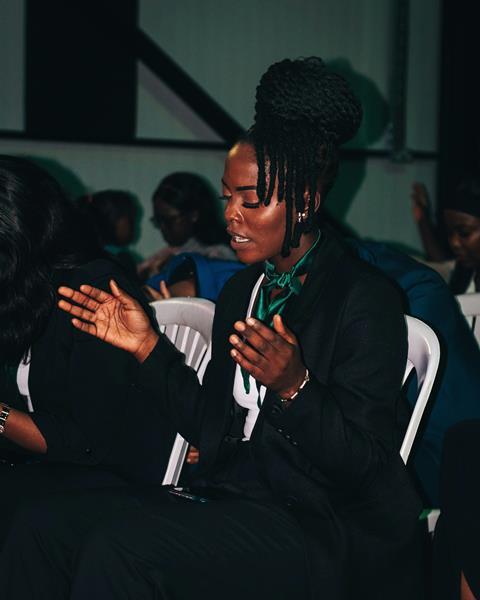
From the outside, ministry often looks inspiring, purposeful, and deeply fulfilling. Congregations see women preaching powerful sermons, leading ministries, counselling families, mentoring young people, and standing as pillars of faith in their communities. Yet behind the pulpit, many women in ministry carry realities that are rarely discussed openly. Beneath the titles, and smiles are stories of exhaustion, silent battles, emotional pressure, and the constant struggle to prove that they belong in spaces where they were called by God but not always welcomed by people.
As someone who has reflected deeply on the experiences of women in ministry, I believe the Church must begin having more honest conversations about what leadership truly costs women. This is not about attacking the Church or diminishing the sacredness of ministry. It is about telling the truth. If we continue to glorify ministry while ignoring the emotional and spiritual toll it takes on many women, we risk creating environments where gifted leaders suffer in silence.
READ MORE: ‘I felt called by God to lead - when I didn’t believe in women in leadership!’
One of the most shocking truths I experience in ministry that is rarely discussed, is the loneliness that often comes with leadership.
One of the most shocking truths I experience in ministry that is rarely discussed, is the loneliness that often comes with leadership. Many women are expected to constantly pour into others while having very few safe spaces where they themselves can be vulnerable. They are expected to be spiritually strong, emotionally available, and endlessly resilient, even when they are personally struggling. In many cases, the very people offering encouragement from the pews are unaware of the emotional weight being carried behind the scenes.
Another uncomfortable reality is the pressure women face to continually prove their legitimacy. While progress has been made in many Churches and denominations, some women still face criticism simply because they are female leaders. Their sermons may be scrutinised more harshly, their decisions questioned more intensely, and their mistakes remembered longer than those of their male counterparts. Many women quietly battle the exhausting need to demonstrate that they are capable, qualified, and “safe” to lead.
READ MORE: Why are women more religious than men?
There is also the hidden burden of emotional labour.
There is also the hidden burden of emotional labour. Women in ministry are often expected to nurture everyone while neglecting themselves. They counsel broken families, comfort grieving members, organise ministries, respond to crises, and carry the emotional needs of entire congregations. Over time, this constant giving without adequate support can lead to burnout, compassion fatigue, and spiritual exhaustion. Yet many women feel unable to admit they are struggling because ministry culture sometimes mistakes exhaustion for faithfulness.
READ MORE: Character before platform: the hidden work of Godly leadership
Social media has added another layer of pressure. Today’s women in ministry are not only leading congregations but also navigating public visibility in ways previous generations never had to. Every sermon clip, leadership decision, or personal opinion can become subject to public criticism online. Women leaders are often expected to inspire constantly while simultaneously avoiding being perceived as “too ambitious,” “too emotional,” or “too outspoken.” This balancing act can become emotionally draining.
Perhaps one of the hardest truths to admit is that some wounds women experience in ministry come from within the Church itself. Spiritual manipulation, exclusion, jealousy, and unhealthy leadership cultures are realities many women quietly endure. Some have been silenced when raising concerns. Others have watched their gifts diminished or their calling questioned. Sadly, many women leave ministry not because they lost faith in God, but because they became weary of fighting battles they never expected within the Church community.
Despite these challenges, women continue to lead, serve, preach, and impact lives in extraordinary ways. This resilience is not weakness disguised as strength; it is often the result of deep conviction and unwavering faith. Women in ministry continue to show up because they believe the call of God is greater than resistance, criticism, or limitation. The truth behind the pulpit is not meant to discourage women from ministry, but to encourage honesty, healing, and change. The Church cannot fully flourish while ignoring the lived realities of many women leaders. Healthy ministry environments require more than applause for women’s gifts; they require protection, support, accountability, and genuine inclusion.
Women in ministry should not have to choose between their calling and their wellbeing. Nor should they have to carry invisible burdens simply to prove they belong. If the Church is willing to listen, learn, and grow, it can become a place where women are not merely surviving leadership, but thriving within it. Behind every woman who stands boldly before people is often a story of perseverance that few ever see. Perhaps the time has come for the Church to look beyond the pulpit and truly hear the voices of the women who have been carrying both the calling and the cost of ministry in silence.





















No comments yet