






Maxine Harrison explores Iran’s growing crisis amid widespread protests and economic collapse. She highlights the hope for change and the urgent call for international solidarity.
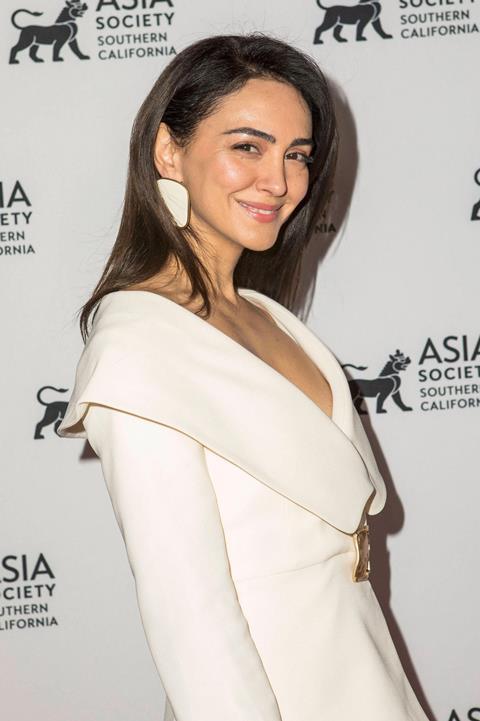
Iran has lived under an authoritarian Islamic government since the 1979 Islamic Revolution, a regime that has heavily policed civilian agency and personal freedoms. In 2022, the Woman, Life, Freedom campaign was sparked after the death of 22-year-old Mahsa Amini while in the custody of the morality police. Women across Iran responded by cutting their hair and burning hijabs in protest. Now, in what appears to be the most widespread uprising yet, many Iranians are hoping this movement could lead to the collapse of the regime. Reportedly, over 2,000 anti-government demonstrators have been killed, though some believe the number may be higher due to the Iranian government repeatedly shutting down internet access. Born in Tehran and raised in London, actor and activist Nazanin Boniadi has been vocal about the injustices carried out by Iran’s authoritarian government.
She wrote on X on 11th January: ‘The people of Iran are being slaughtered. Let your love for them be greater than your hatred for any individual in the opposition and let us focus on ending this theocracy! I beg you.’
READ MORE: ‘God has given me a vision of a Christian Iran’
The recent wave of protests was further ignited by the collapse of Iran’s economy and currency. On 28 December, shopkeepers took to the streets of Tehran as the Iranian rial plummeted in value. The currency is now reportedly worth almost nothing, adding further distress and instability to the daily lives of civilians.
Iran’s current Islamic regime is led by 86-year-old Supreme Leader Ayatollah Ali Khamenei.
So what are Western world leaders doing in response to the current crisis in Iran?
So what are Western world leaders doing in response to the current crisis in Iran? At the time of writing, US President Trump has encouraged protesters to continue demonstrating, stating that “help is on the way” and warning that the US would take “very strong action” if Iran executes protesters. Meanwhile, the UK government has announced “full and further sanctions” targeting Iran’s finance, energy, transport, software and other significant industries, according to Foreign Secretary Yvette Cooper. The Foreign Office has also summoned the Iranian ambassador in response to the regime’s violent crackdown on protesters. However, despite statements from both the US and UK, no clear timeline has been shared regarding when these actions will take effect.
READ MORE: I was imprisoned in Iran because I became a Christian. This is what I think of President Raisi’s death
In the meantime, protesters have taken to the streets of London in an effort to pressure those in power to take urgent and decisive action. A protest is scheduled to take place on Sunday 18 January, marching from the BBC to Downing Street between 2pm and 5pm, calling on both institutions to advocate more strongly for the people of Iran.
When asked what she has heard from her family, Boniadi said: “Unfortunately, nothing. We are now three days into an internet blackout.
Alongside public demonstrations, those in London with family members in Iran are struggling to make contact due to the government’s ongoing internet shutdowns. When asked what she has heard from her family, Boniadi said: “Unfortunately, nothing. We are now three days into an internet blackout. The very limited information that I have received has been because of the existence of Starlink terminals… And it’s not good news.”
READ MORE: Iraq is proposing a terrifying law to lower its age of consent so that men can marry nine-year-old girls
When speaking on whether the Iranian regime could potentially fall, Boniadi responded: “Hopefully. I think we are very hopeful.” Explaining why this uprising differs from previous protests, she added: “This time there is no demand other than we want you gone. This time it’s unequivocal that there is no call for action… no pleading with the regime to give them something that they don’t have.” She continued: “Iranians have nothing to lose. What they want is their dignity.”
Iranian civilians have also been expressing their resistance through art and symbolic acts of protest. Images have circulated of Iranian women burning portraits of Supreme Leader Ayatollah Ali Khamenei and using the flames to light their cigarettes—an act that is both restricted and deeply taboo for women in Iranian society. This powerful form of protest has spread widely across social media platforms.
As Christians, we are called to honour all people as image bearers of the living God. Therefore, religion or politics should not prevent us from championing the fundamental human rights that Iranians are currently fighting for. No one should have to fear for their life simply for demanding basic rights and dignity.
At this moment, prayer, protest, and raising awareness about what is happening in Iran are practical ways international believers can stand in solidarity with the Iranian people.






















No comments yet