








As Christian women, we recognise our superior makeup from our creator, but that doesn’t mean we don’t struggle to figure out how it all works! With help from Dr Becky Howie, a Christian GP, this section is a space to have some health – and women’s health, specifically – demystified, so that we can better understand and appreciate the bodies we inhabit
What is the one event that you experience approximately 450 times during your lifetime, yet it can still surprise you, it’s often misunderstood, and you lack solid knowledge about it? Yes, it’s your period.
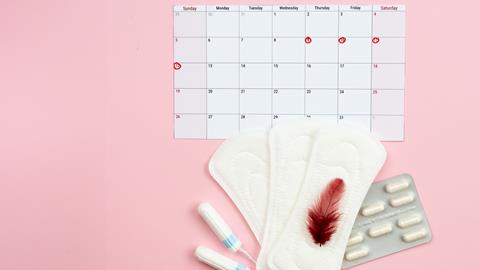
While the average woman will have around 450 periods throughout her life, many women do not have a good understanding of their cycle or periods. If you didn’t study biology at school, you may never have been taught about the menstrual cycle. Understanding what is happening can help us manage symptoms, improve our chances of conception, and start to make sense of the craziness of perimenopause and menopause.
This month, I want to talk about the four stages of the menstrual cycle and what you may notice in your body, mood and emotions during each. I will also share some top tips for feeling your best at each stage.
Now, right from the start, I need to clarify that I will explain the menstrual cycle from the perspective of a ‘textbook’ woman with a 28-day cycle. As every woman knows, there is no such thing as a ‘textbook’ woman; we are complicated creatures, and in fact, ‘normal’ is considered anything from a 21-day to a 35-day cycle. It is more relevant to consider what is normal for you rather than compare yourself to a textbook.
The medical world considers day one of the cycle to be the first day you bleed with your period, so let’s start there.
Of all the stages of the cycle, this is the one you will know best. Menstruation lasts three to seven days for most women, with significant variation in bleeding heaviness and
duration. Your body is shedding the lining of the womb, as there was no pregnancy, in preparation for a new cycle. We all know how you can feel during this stage – tired, crampy and/or moody.
Top tips: To look after yourself, rest when you can, use a hot water bottle for cramps, stay hydrated and eat warm, nourishing foods. Gentle movements like stretching or walking can also help ease discomfort.
This stage actually overlaps with your period at the start and continues after it ends. Your body begins producing more of the hormone oestrogen, which helps an egg (follicle) mature in your ovary. Women often describe this stage as when they feel the best each month (once the bleeding stops). You’ll likely notice your energy rising, your mood improving and your skin appearing clearer.
Top tips: This is a great time to plan new projects, exercise more and eat protein- and iron-rich foods to rebuild strength after your period. Focus on cardio and strength training, as your body can recover and build muscle more effectively at this stage.
During ovulation, your body releases a mature egg from the ovary. This is the time when you’re most likely to conceive. You might notice clear, stretchy discharge (like egg white) and feel a slight twinge or ache in your lower belly. Some women describe feeling more attractive, experiencing increased sexual desire and having more energy. This makes sense, as having sex around this time is more likely to result in pregnancy, so your body, mind and emotions are preparing you to conceive.
Top tips: Drink plenty of water, enjoy balanced meals, and listen to your energy. This is often your most social and active phase, with great skin and good hair days.
Exercise should include HIIT, spinning or other high-intensity workouts. You may hit some personal bests in the gym, such as lifting heavier weights. So plan social events, try some group exercise, enjoy feeling good and have fun!
After ovulation, your body produces more progesterone to prepare for a possible pregnancy. At the latter stages of this phase, if you are not pregnant, hormone levels decrease, leading to PMS (premenstrual syndrome). You might feel bloated, moody or crave comfort foods.
Top tips: Be kind to yourself: get enough sleep, avoid excessive caffeine or sugar and engage in calming activities with deep breathing. Eating magnesium-rich foods (like bananas or dark chocolate) can also help reduce cramps and stress. Try to avoid scheduling challenging social engagements during this time.
Regarding exercise during this phase, you can continue with your usual activities at ovulation but should gradually switch to less intense, low-impact exercises, such as yoga, swimming or walking.
Hacking your cycle
By beginning to understand your body – how it feels and functions (a great way to do this is by tracking your cycle) – you can try to ‘hack’ your hormonal cycle and plan your social engagements and activities around when you will feel at your best.
The female menstrual cycle is incredible and complex, and I believe it serves as proof that we are “fearfully and wonderfully made” (Psalm 139:14).
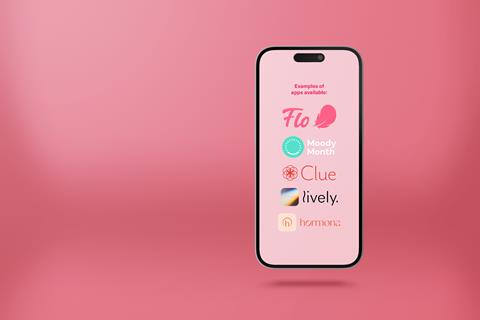
Hormone tracking apps
Most phones have menstrual cycle tracking built in, such as Apple Health. There are also more in-depth apps on the market. Look for apps that allow you to track symptoms, mood, energy levels, discharge and sleep, as these tend to give more insight into the hormone-linked changes in your body.
Remember to check an app’s privacy policies: your cycle/hormone data is quite personal. Some apps have come under scrutiny for how they handle/share data.
If you are interested in reading an academic paper of tracking apps, I recommend: Ford A, De Togni G, Miller L (2021) ‘Hormonal health: Period tracking apps, wellness, and self-management in the era of surveillance capitalism’. Engaging Science, Technology and Society, 7(1): pp48-66. Available online at: doi.org/10.17351/ests2021.655



















No comments yet