









As comedian Lucy Beaumont speaks out about allegations involving David Walliams, questions are being raised about the risks women face when challenging powerful figures. Michelle Tant explores what the Bible teaches us about whistleblowing, protecting the vulnerable and the responsibility of Christians to confront injustice.
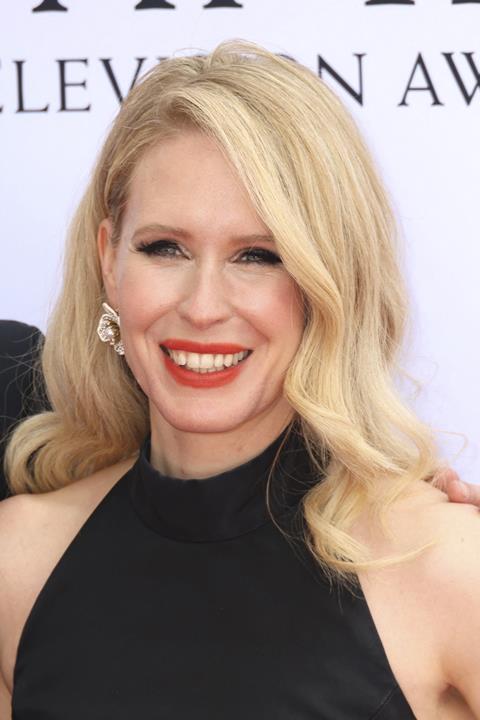
Award-winning stand-up comedian, actress and writer Lucy Beaumont has come forward as one of the whistleblowers in relation to allegations against David Walliams. Walliams has denied the allegations.
In an interview with Sky News, Beaumont said she felt she owed a duty of care to those who had confided in her, particularly as she believed there were insufficient formal processes to protect vulnerable people in the industry. While the allegations remain unproven, her comments point to the wider issue of protecting vulnerable people in an industry where power can be concentrated in relatively few hands. She also expressed her fear that, as a result of speaking up, she would be seen as a “troublemaker” and never work in television again.
What is striking about Beaumont’s story is that, despite her fears for her career, she still chose to speak up to protect others.
READ MORE: Russell Brand, rape allegations and repentance: Can we believe someone has really changed?
Two women in the Bible faced a similar challenge when Pharaoh commanded them to kill Hebrew baby boys at birth
Two women in the Bible faced a similar challenge when Pharaoh commanded them to kill Hebrew baby boys at birth (Exodus 1:15–21). These midwives, Shiphrah and Puah, faced not only the potential loss of their livelihoods if they were discovered, but possibly their lives. They took a tremendous risk in standing up to the power wielded by Pharaoh. In protecting the babies, they chose faithfulness to God over obedience to an unjust command. God honoured their courage, and their actions formed part of the story of Israel’s eventual deliverance.
The midwives not only took action but also used their positions to protect the vulnerable. This draws me to think of another woman in the Bible who did not receive protection from the very people she had every right to expect it from.
In 2 Samuel 13, we read of Tamar, who, after being raped by her half-brother Amnon, tells her brother Absalom what has happened. However, he tells her to be quiet, and she is left desolate in his house. Rather than receiving the justice and protection she deserved, Tamar was silenced.
READ MORE: Standing in faith: Making gender-based violence a national disaster in South Africa
Thinking about Beaumont, it seems to me that how she is treated following her decision to speak out will be a real litmus test, not only for wider society but also for the industry in which she works. Will we see a Shiphrah and Puah moment, where courage is met with protection, or will Tamar’s experience of being silenced be repeated?
Sadly, history gives us reason for concern. Since the #MeToo movement was established in 2006, there has been increased hope and expectation that women will be listened to when they speak up. But while the movement has gained considerable attention on social media, this has not always translated into the criminal justice system, where only a small proportion of reported rapes result in a charge or summons in England and Wales.
A quick glance at comments on recent social media posts about high-profile sexual offence cases demonstrates how routinely women’s credibility and integrity are still questioned. As Christians, our responsibility is towards the poor and vulnerable. The Bible is rich in passages urging us to pursue justice, and Micah 6:8 offers a framework for how to do this well: to act justly, love mercy and walk humbly with God. But historically, the Church has not always acted as it should, nor has it always listened well to women. Serious cases of abuse have been swept under the carpet under the guise of protecting the Church’s reputation, when in reality such actions have protected abusers.
READ MORE: We are responsible for defending the cause of the oppressed
When someone sounds the alarm as a whistleblower, our first response must be to ensure that they are treated with dignity and respect.
When someone sounds the alarm as a whistleblower, our first response must be to ensure that they are treated with dignity and respect. Those who raise concerns about wrongdoing should be taken seriously, and their concerns addressed through fair, independent processes that protect everyone involved. This is particularly important when allegations concern those in positions of leadership.
When women speak up about injustice, it is incumbent upon those listening to recognise the weight of history when it comes to women’s voices being heard. Speaking out can carry significant personal and professional risks, particularly when powerful individuals or institutions are involved. Women are afraid to speak out because experience has so often shown it to be futile or risky.
Lucy Beaumont has chosen to speak up despite her concerns about the consequences. Her actions raise an important question for all of us: when someone challenges injustice, will we protect them or pressure them into silence? Ecclesiastes 3:11 tells us that God has set eternity in the human heart, and I believe it is this hope that draws us towards justice. Resisting silence in the face of injustice is a godly endeavour, modelled for us in the example of Shiphrah and Puah.
May we, as individuals and as representatives of institutions, allow the light of the Holy Spirit to lead us in the pursuit of justice.























No comments yet