- Hot topics
- Join Now!









Every moment counts with our children
By  Rhiannon Goulding2026-02-22T14:36:00

Rhiannon Goulding encourages us to think about how we involve our children in the everyday tasks of life, sharing how drawing her own children in taught them vital life lessons and developed their characters
I once read that by the time your child turns 18, you will have already had 92 per cent of the time they’ll ever spend living under your roof.
That statistic stunned me. It made me think less about the ‘big’ events – expensive trips, days out, staged photo opportunities – and more about the everyday. When they’re adults, my children may not remember all the farms and zoos we visited, but they will remember laughing round the tea table, singing and dancing in the kitchen, cosy bedtime stories, silly car conversations, and the secure sense of love that filled our home.
To continue reading, register today for more access!
If you are a member or a registered user, or if you already have a login for another Premier website SIGN IN HERE
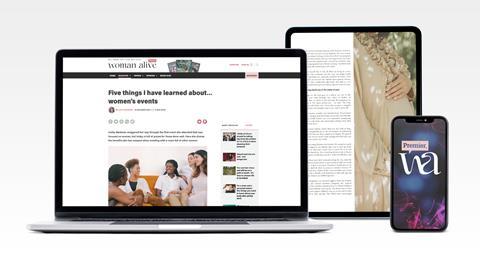 ">
"> A NEW DIGITAL HOME FOR WOMAN ALIVE
Woman Alive is now fully online, with honest stories and thoughtful Christian perspectives on faith and the realities of women’s lives.
Start exploring today.
Register and choose two articles to read for FREE every month.
And if you like what you read, visit our subscriptions page and sign up for unlimited access.
If you already have an account with a Premier website SIGN IN HERE
Related articles
-
 Article
I thought I knew how to help children – then I had to unlearn everything
Rhiannon Goulding reflects on how one challenging week working with children taught her that sometimes the best way to care for the next generation is to let go of old habits and learn a different way.
-
 Article
What if your child’s worth has nothing to do with what they achieve?
In this month’s health column, therapist Monique Thomas explores what happens when we stop measuring children by achievement and start seeing their God-given worth. Speaking to educator and psychologist Emma Noel Pinnock, she considers neurodivergence, belonging and how parents, teachers and churches can learn to hear children’s voices.
-
 Opinion
Generation Wed – are the new Gen Z influencers nailing it in terms of God’s design for women?
Becky Hunter Kelm explores the rise of ‘Generation Wed’ and asks whether these Gen Z women are rediscovering something that aligns with God’s design for women. From marriage and motherhood to domesticity and financial goals, she considers what Christians can learn from this growing cultural trend.
- Issues
- Topics A-Z
- Writers A-Z
- © 2026 Woman Alive














Site powered by Webvision Cloud