- Hot topics
- Join Now!






Should we celebrate Christmas in January?
By  Veronica Zundel2025-12-22T14:48:00

Veronica Zundel believes celebrating Jesus’ birth is vital, but says it doesn’t matter when that happens
No, I’m not confused about which issue I’m writing for. For some countries, Christmas may not yet have happened by the time you get this first magazine of 2026. This is because in the 16th century, when Western nations switched from the old Julian calendar to the new, more accurate Gregorian one, some Eastern Orthodox countries continued to use the old calendar, and so their Christmas fell on what was our 6th or 7th January. In other places, notably Belgium and the Netherlands, the main celebrations and gift-giving happen on 6th December, during the feast of St Nicholas (the original Santa Claus) who was renowned for his generosity (though confusingly, in Eastern Orthodox countries, this feast happens on 19th December!).
To continue reading, register today for more access!
If you are a member or a registered user, or if you already have a login for another Premier website SIGN IN HERE
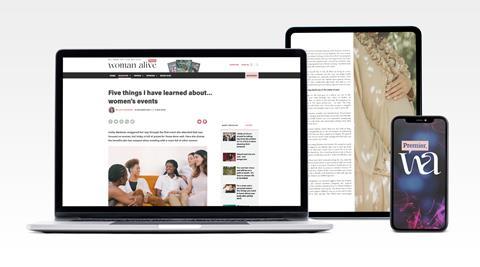 ">
"> A NEW DIGITAL HOME FOR WOMAN ALIVE
Woman Alive is now fully online, with honest stories and thoughtful Christian perspectives on faith and the realities of women’s lives.
Start exploring today.
Register and choose two articles to read for FREE every month.
And if you like what you read, visit our subscriptions page and sign up for unlimited access.
If you already have an account with a Premier website SIGN IN HERE
Related articles
-
 Opinion
What a cathedral hidden in the mist taught me about faith
When Alison Reid found herself regularly driving through the misty Cambridgeshire Fens, a familiar landmark gave her a powerful picture of what it means to trust God when His presence feels hidden. From a childhood connection with Ely Cathedral to the terrifying illness of her baby daughter, Alison reflects on why knowing God in the “easy” days prepares us to trust Him in the tough ones.
-
 Opinion
Evangeline Lilly: “At my core, the thing that’s most important to me is my faith”
Jemimah Wright explores Evangeline Lilly’s Christian upbringing, her years of questioning and searching, and what she says about following Christ today.
-
 Opinion
Are you afraid of the End Times? The surprising reason you don’t have to be
When Laura Maxwell first read Revelation, she was filled with fear – but a powerful dream years later changed the way she understood the End Times. Here, she explains why growing closer to Jesus, rather than becoming consumed by speculation, is the key to facing the future with courage and hope.
- Issues
- Topics A-Z
- Writers A-Z
- © 2026 Woman Alive










Site powered by Webvision Cloud