









Jacinta Read explores the difficult questions raised by the Netflix documentary Death of the Pastor’s Wife. Drawing on her experience working in a church and pastoral care, she asks how Christians can respond with humility while helping to make the church a safer place.
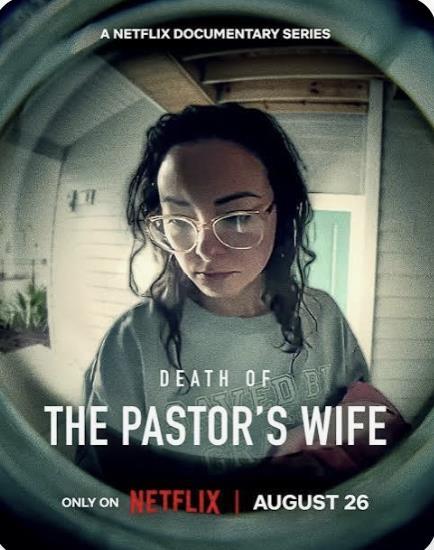
Netflix recently released a new true crime documentary called Death of the Pastor’s Wife.
The show follows JP Miller, a senior pastor, and Mica Acacia Miller, a young woman who grew up in his church, with whom he had an affair and later married. As the title suggests, things end very badly.
My husband and I both work for a church. We binged the three-part documentary in one sitting. It felt like watching a parade of red flags atop a train hurtling toward the edge of a canyon. I’ve thought about it every day for the past few weeks. Beside the fact that JP Miller is still active in ministry, the thought I cannot shake is that it all happened so recently: Mica Miller died in 2024.
I fear that her story was not a freak occurrence. If the conversations I’ve had in my pastoral care capacity are any indication, the Netflix piece raises issues we need to address. The issues are myriad.
READ MORE: I stayed silent because I thought God wanted me to: The hidden cost of faith and abuse
If you can stomach it, I encourage any churchgoer to watch the documentary.
If you can stomach it, I encourage any churchgoer to watch the documentary. See what comes up. I suspect it could help all of us in different ways. The show isn’t overly graphic, but it is disturbing, particularly for those familiar with non-denominational Evangelical contemporary church culture. Parts hit close to home. Trigger warnings include coercive control and abuse of the sexual, emotional, psychological, and spiritual varieties.
Perhaps if we are brave enough to pause and consider some uncomfortable questions, this terrible—and sadly preventable—loss of life won’t have been for nothing. May we proceed with humility, resisting the temptation to cast judgment or react in any way that does not reflect the teachings of Jesus. Let us direct our energy to making the church a safer place.
READ MORE: Channel 4’s Married at First Sight has allegedly enabled abuse. Is Christian culture any better?
The questions that I have been pondering include the following:
1. On individual integrity:
Are there aspects of my life I am ashamed of and feel the urge to hide? Do I believe I am worthy of respect? What would I say to myself if it were a beloved friend or child I was talking to about my biggest problems? What makes me light up? What parts of my life feel like they could snuff me out?
2. On love and marriage:
Are my partner and I both committed to the work of sorting out our personal baggage? We all have it. This might include reading books and seeking professional support. What are our attachment styles, and how might we invite the Holy Spirit’s work in this dynamic? Does the love we both profess align with 1 Corinthians 13:4-8? Is there repair after conflict? Is the way I am treated behind closed doors acceptable?
3. On church leadership:
What are the reasonable standards for Godly spiritual leadership? Does my pastor regularly preach an agenda beyond the scope of holy love and discipleship? When is it ever appropriate for a leader to remain in—or return to—public ministry after a moral failure? Is there transparency regarding the accountability structure of my church? Is that accountability process real?
4. On collective responsibility:
Do we value one another’s unique perspectives, or is there a section of this community we’d prefer to show up and remain silent? Is this really a safe place? Are we turning a blind eye to wrongdoing? What are the costs vs. benefits of Groupthink (prioritizing conformity rather than critical analysis)? If I found myself in an unhealthy situation, would I be brave enough to vote with my feet? How can inaction enable bad behaviour?
It is discouragingly easy for churches and their leaders to lose sight and become something they were never meant to be. While we Christians gather to worship together and grow in spiritual maturity, we need to stay anchored in the grace and sacrificial love of Jesus to align our behaviour with what Jesus teaches us in the Bible.
Further Exploration:
Knowing and Being Known by Monica Moniz
Attached by Amir Levine and Rachel S.F. Heller
The Rise and Fall of Mars Hill
Instagram @redflags101_
Let us draw near to God with a sincere heart and with the full assurance that faith brings, having our hearts sprinkled to cleanse us from a guilty conscience and having our bodies washed with pure water. 23 Let us hold unswervingly to the hope we profess, for he who promised is faithful. 24 And let us consider how we may spur one another on toward love and good deeds, 25 not giving up meeting together, as some are in the habit of doing, but encouraging one another—and all the more as you see the Day approaching. Hebrews 10:22-25





















No comments yet