









Writer Sophie Sanders reflects on the enduring appeal of ABBA’s ‘Dancing Queen’ and the powerful nostalgia it can evoke. But as she looks back on her own university days, she asks whether our longing for the past might actually be pointing us towards something much deeper – and towards the future God has prepared for us.
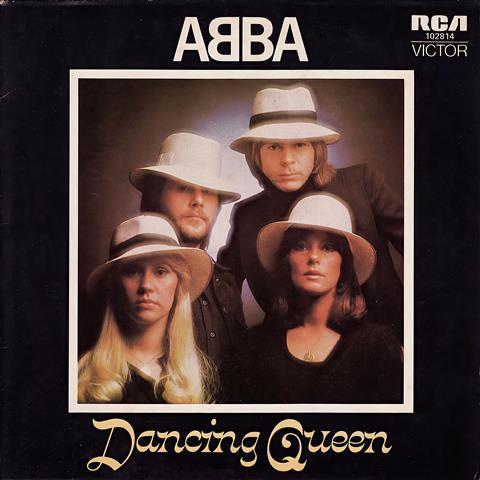
It’s 50 years since Abba released their chart-topping disco hit ‘Dancing Queen’. It’s a song of excitement. Of expectation. Of euphoria. And it’s cast a spell over pretty much everyone who’s boogied to it ever since it was released. Put simply, ‘Dancing Queen’ (or ‘Boogaloo’ as it was originally titled) has the anatomy of a perfect disco anthem; that’s why it’s been a sell-out sensation across the generations ever since it was released. So, I’d be truly flabbergasted, reader, if the iconic opening glissando isn’t an immediate mood booster for you every time it comes on the radio, tempered by the nostalgia-steeped lyrics that transport you back in a time machine to your first crushes and carefree nights out.
But at the risk of being a party pooper, I think this visceral ache for the fun and freedom of our youth isn’t as harmless as it might first appear. However vivid the memories feel, they’re distorted by rosy retrospection and, from experience, the more time that’s lapsed, the more distorted the feelings get.
READ MORE: When it feels like the “Promised Land” is behind you…
This week, as freshers’ week begins at my alma mater, I’ve found myself scrolling through news articles and my camera roll, wishing that I could be starting as a student there all over again.
This week, as freshers’ week begins at my alma mater, I’ve found myself scrolling through news articles and my camera roll, wishing that I could be starting as a student there all over again. Slightly embarrassingly, I shared my nostalgic longings – at length – with the bartender in my local pub (who’s about to start uni) just a few days ago.
As I ‘see that girl’ and ‘watch that scene’ of the (metaphorical) dancing days of my youth in my mind’s eye, I yearn for the young and sweet days of my university life filled with excitement, expectation, and euphoria, naturally without remembering the stress of impending essay deadlines, the relentless feelings of imposter syndrome, and the homesickness that’s inevitable when you move hundreds of miles away from home. It’s only a few minutes into my nostalgic fantasy before I feel increasingly discontent with my life now, which feels oh-so sensible and stable, facilitated by my fully developed prefrontal cortex. As I reach the end of my reminiscence bump (the peak period that adults return to in their nostalgic fantasies), it’s funny to think that, one day, I’ll look back on my late twenties in the same way I currently perceive my student days.
READ MORE: The truth about Christian music that no one wants to say out loud
The writer of Ecclesiastes cautions us against romanticising the past, saying: ‘Don’t always be asking, “Where are the good old days?”
The writer of Ecclesiastes cautions us against romanticising the past, saying: ‘Don’t always be asking, “Where are the good old days?” Wise folks don’t ask questions like that’. (Ecclesiastes 7:10) And so, it seems it’s not wise to spend hours on end pining for the past because it can rob us of finding our God-given joy and purpose in the here and now. Instead, I think we should examine our longings and consider what we’re really yearning for. Broken down, the word ‘nostalgia’ is made up of two Greek words meaning ‘return home’ (nostos) and ‘ache’ (algos). As CS Lewis aptly wrote, ‘our lifelong nostalgia, our longing to be reunited with something in the universe from which we now feel cut off is no mere neurotic fantasy, but the truest index of our real situation’. In other words, at the heart of our nostalgic longings is an ache to return home – not our childhood home, but our Edenic home.\
READ MORE: What the Oasis reunion can teach us about not looking back in anger
As we thirst for romance, people from our past, or simply times when we didn’t feel the weight of responsibility, our longings are pointing us to what we were created for – a stable, secure, and loving relationship with our Creator who is sovereign over it all. When it feels like our heartstrings are pulling us into the past, they’re actually pointing us to our future: all our longings find their true fulfilment in the presence of God, with the people of God, around the throne of God. So, for today, my prayer is that nostalgic soundtracks, smells, and sights will propel my vision forward to the day when I dance in my Maker’s presence. That’s when I’ll be having the time of my life.
























No comments yet