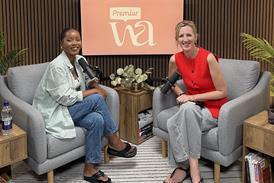
Hosted by Claire Musters
This month I’m reading…

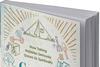
A Year to Slow Down: A Christian guide to embracing handmade & homegrown
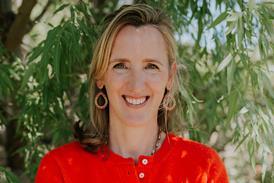
By Rachel Bearn (Form, 978-0281091126)
At the start of the year, many of us create an unrealistic set of New Year’s resolutions, which we break before February! But what if there were a guide that could help you to intentionally slow down, bit by bit, over the course of a whole year? That is exactly what this book provides. An anecdote to the pace of our frenetic society, which is often overwhelming, it is full of everything author Rachel Bearn has been learning, creating and posting about online for years.
Rachel is very open about why and how the book came about: after contracting a chronic illness in her 20s, she was forced to make significant changes to her life practically but also for her mental health. She discovered that, through a slower pace, she was able to manage her illness but also deepen her walk with God, as she learned to be present in the moment. This isn’t just a book for those who are ill or struggling, though; the ideas contained within it are so helpful for anyone tired of being swept along by busyness and desperate for the space just to breathe, as well as live more ethically.
This is your first book, but you have always wanted to be a writer and studied the subject at university. Could you tell us more about that and how this book came about?
I studied an undergraduate diploma in creative writing at Oxford University and always thought I’d be writing fiction. But after I finished studying, I became quite interested in reading nonfiction nature memoir. This led me to study an MA in nature and travel writing and that really ignited a passion for writing nonfiction.
The idea for the book came when I was reading practical guides on cottagecore – or slow living. I absolutely loved these books, but they always seemed to be missing a key element: faith. I decided I would write my own ‘cottagecore for Christians’ book so to speak and it went from there.
It was in 2018 that you became ill. Could you explain what happened and how that impacted your life?
I had already been trying to live a slow and sustainable life that followed the seasons, but becoming ill really forced me to slow down completely. I was down to the bare basics, but I tried to find a way to make simple things, like eating dinner, making a drink or just sitting on the sofa, better. To enjoy the simple pleasures God had given me and to stay in the present moment. During this time, I also discovered knitting and began crafting a little each day. It was all these small, everyday things from God that kept me going.
The book follows the seasons, so can be a companion for readers throughout the year. You comment early on that as humans we were meant to live connected to nature’s rhythms, and in fact believe we should change our approach to January. What would you suggest?
I think seasonal living is a really important way to take care of our bodies and give them what they need. Winter is a time of hibernation for most of nature. It is a time to slow down and rest. In fact, studies show humans need about one to two hours of extra sleep in the wintertime. It’s important to listen to your body. I would suggest finding ways to rest and recuperate this January. It’s a great time to begin a slow and easy morning routine of Bible reading, meditation and journalling. To set some good routines in place that will carry through the year. Nourish your body with warming bowls of soup and stews, get outside for gentle walks and fresh air, and give yourself lots of early nights. It is not the time for resolutions! Spring will come with all her busyness and new starts; now is the time to be gentle and rest.
There is a surge of interest in crafts such as crochet and knitting as calming measures for wellbeing. Yet these are skills that don’t seem to be passed down from generation to generation anymore. What are the benefits you have found from making things with your own hands?
Making things with my hands is such a wonderful part of my life. It is scientifically proven to reduce heart rate, lower blood pressure, calm your nervous system and studies even show it can reduce chronic pain. Personally, it has helped me a lot with my chronic pain but also my sense of self-worth. Even on the worst days of illness I can still manage to craft a little bit and make something beautiful. It is so intrinsic to the way I live now and I never go a day without a bit of knitting or sewing.
There is also a growing movement called craftivism, which you mention in the book. Could you explain what that is and the impact it has had around the world? How can people utilise it in their own lives?
Craftivism is a form of gentle protest. A way to use crafting to make a difference in the world. This has actually been happening for many years – the handmade banners or flags of the suffragettes being a prime example. We’ve seen major craftivism protests all over the globe to raise awareness and challenge injustice.
Craftivism is a really accessible way to get involved in activism as it can be done right from your own home. I was able to knit baby clothes for Ukrainian refugee camps even when I was barely leaving the house. I know other Christians who have used craft to share the gospel message by embroidering Bible verses or crafting something for someone in need. I recommend having a Google and seeing what craftivism projects you can get involved with locally.
You indicate that slowing down benefits not only our nervous systems and mental health but also the planet. Could you give some examples of ideas that will help people to reduce their own personal carbon footprint?
Slowing down on our consumption is such a great way to benefit the health of the planet. There is a terrifying statistic that if we stopped producing clothes right now, we would still have enough clothes on the planet to clothe the next eight generations. Slowing down your consumption of clothes would be a great way to reduce your personal footprint and make a big difference to the planet.
What else would you recommend to someone if the idea of trying to switch to a handmade, homegrown lifestyle feels overwhelming. Is there one small practice you would suggest they start with?
I would always recommend to everyone that they just start with one thing. Don’t try to totally overhaul your life in one month. That is why the book is written slowly over a year, with the idea you can slowly try out and incorporate new habits.
My biggest tip would be to start with an accessible and realistic morning routine that eases you into your day. Create a routine that works really well for you and helps set the tone for the rest of the day. Once you have that in place and it becomes instinctive, you can look at trying other things, but remember just one at a time, so you don’t become overwhelmed.
I believe you are now working on some fiction. Could you give us any details?
Yes, I am! I am working on a novel about a knitting club. It’s still in its early stages and first draft, but I am very excited to be writing again.
Rachel Bearn on: The books that have changed my life

Pride and Prejudice by Jane Austen
I fell in love with this book from a very early age. The language, the romance, the drama – it was one of the books that inspired me to write my own one day.

Redeeming Love by Francine Rivers
I read this book in two days because I was so captivated by it. Not only did it inspire me as a writer to work on Christian stories, but, although it is fiction, I also learned so much about God’s redeeming love and power. He can completely change our stories, and I think it is such a beautiful book.

The Ruthless Elimination of Hurry by John Mark Comer
I read this book when I was struggling with my faith. I had been ill for a while at that point, and I was feeling quite useless – like there was no point to my life. It helped remind me that God is a fan of slow and simple. He loves our everyday moments and there are so many ways we can find him in the present moment.


No comments yet